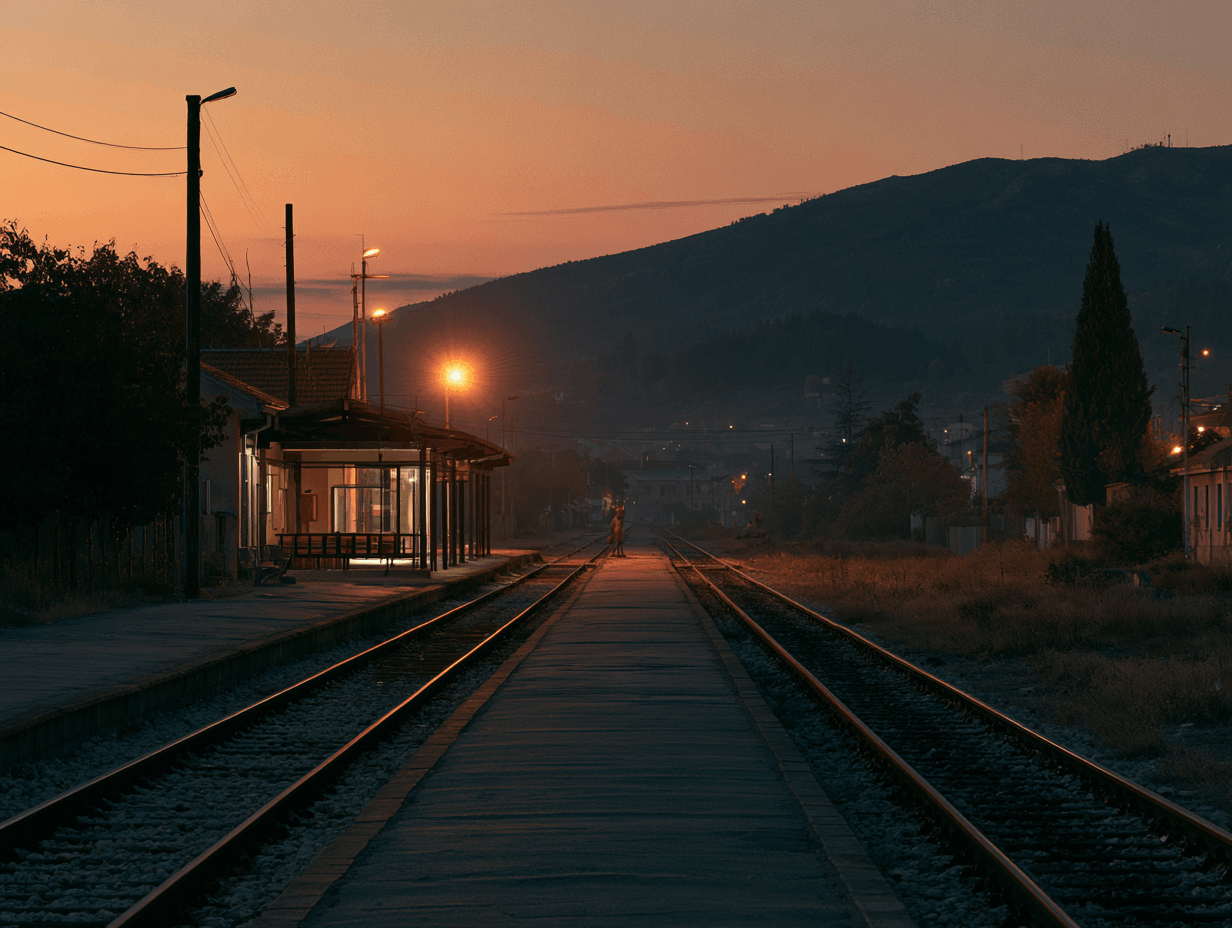
An unexpected sequence of trains and buses between two capitals that undercuts the obvious route.
The straight connection between two Balkan capitals looks clean on paper. One long train or a single bus and you are done. Then you check the real prices and the actual travel time and the numbers start climbing. Suddenly a longer path that zigzags through smaller towns becomes the cheaper and sometimes even faster choice.
The trick sits in the way local schedules overlap. Instead of waiting for the direct service that runs only twice a day and fills up early, you catch a morning train to a mid sized city, switch to a regional bus that leaves soon after, and finish with another short train that drops you right in the centre. Each leg costs less because demand is lower and the operators compete on those quieter routes. The total often comes in under the price of the official direct ticket.
Three versions of this detour that keep working.
First version starts early. You leave the first capital on the first train of the day, change once in a quiet station where the platforms are almost empty, and board a bus that runs through the hills. By late afternoon you walk out in the second capital with money still in your pocket and no stiff neck from sitting in one seat for eight hours.
Second version uses the afternoon gap. When the direct options are sold out or delayed, the same chain of trains and buses still has seats. You lose a couple of hours compared with a perfect direct run, yet you still arrive the same evening and spend far less. The stations along the way are small so transfers take minutes rather than the half hour hunts you get in bigger hubs.
Third version appears in the shoulder season. Direct tickets jump in price while the local services stay steady. Booking the three separate legs can cut the cost by almost half. You carry your bag a few extra times but the journey feels lighter because nothing is overcrowded and the views between the towns are better than the main line.
The path looks messy when you first map it out. After one trip the straight route starts to feel like the expensive habit you no longer need. You trade a single ticket for a short sequence of ordinary rides and end up ahead on both time and money.
Nothing works every single time. They work often enough to be worth knowing when the usual options fail.
No. Trains, buses, ferries and border crossings appear just as often.
When a new pattern shows up clearly enough to explain in a few paragraphs.
Yes. If it solved a real problem we are glad to look at it.