Quiet crossing points that connect trains, buses and ferries more efficiently than major cities.
Large stations in capital cities look like the natural place to change from one mode to another. In practice they often slow you down with long walks between platforms, crowded ticket halls and timed connections that leave little margin. A small border town a short distance away can link the same trains, buses and ferries with far less friction.
These towns sit where national networks meet. Platforms are close together, bus stops stand right outside the station and ferry piers are sometimes only a short walk from the rail tracks. Timetables are thinner yet the gaps between services are easier to manage because everything is compact. You spend less time transferring and more time actually moving.
Three ways these quiet border points work better than the big hubs.
One way joins two rail networks. You arrive on a regional train, step across a short platform or through a single underpass, and board the connecting service that continues into the next country. The whole change takes minutes instead of the half hour trek common in larger stations.
Another way mixes rail and bus. The border town has a simple interchange where coaches wait just outside the exit. You leave the train, walk a few dozen metres and continue by road toward places the rail line no longer serves. The timing is often tighter than in cities where the bus station sits across town.
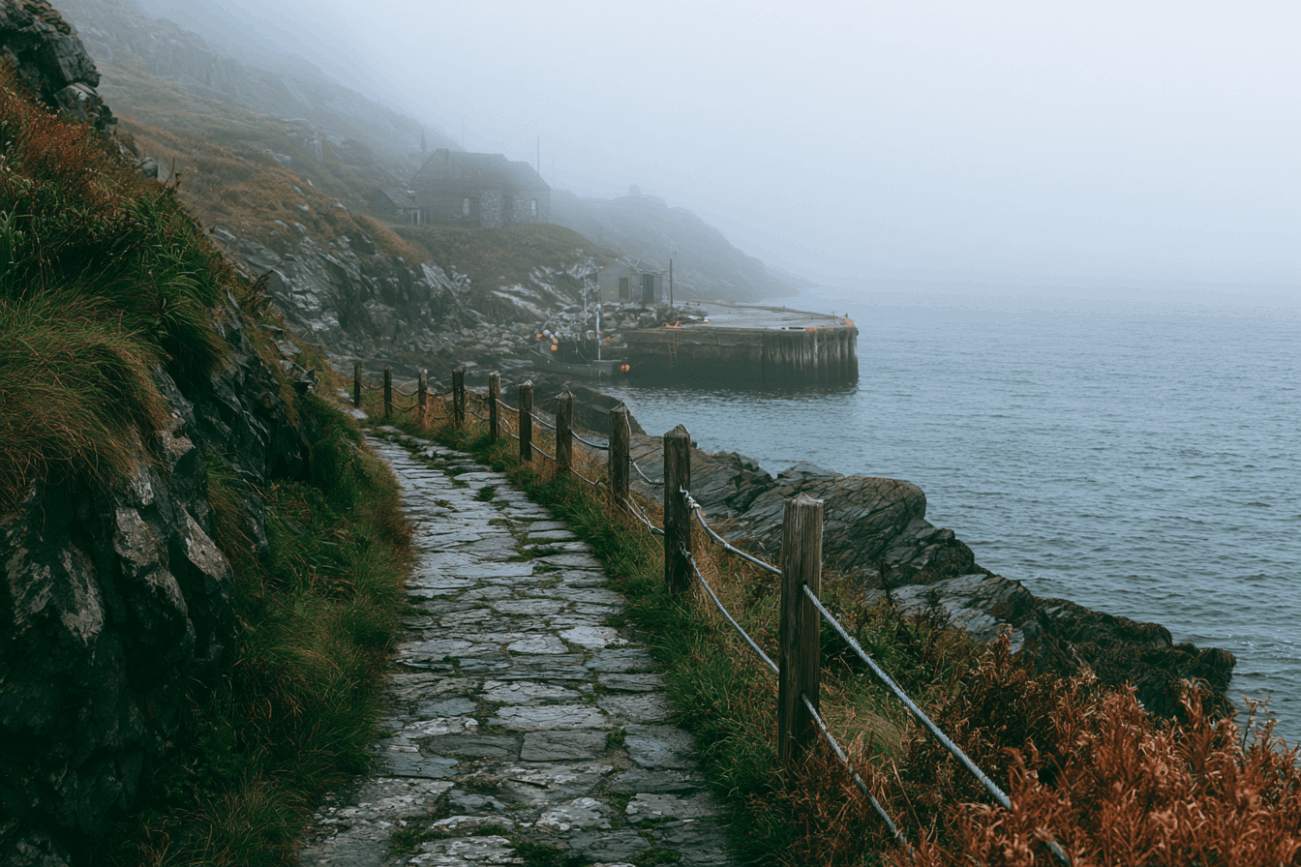
The third way adds a ferry link. Some of these towns sit on rivers or short coastal stretches where a small boat service connects to the next railhead. You step off the train, walk to the pier and the crossing itself becomes the transfer. The combination feels slow on paper yet the total elapsed time beats the long urban connection that forces you through traffic.
Choosing a small border town over the main city interchange feels like an unnecessary detour at first. After one clean transfer the crowded capital stations start to look like the real obstacle. You trade the big name stop for a quieter point on the map and the whole journey runs more smoothly.
Nothing works every single time. They work often enough to be worth knowing when the usual options fail.
No. Trains, buses, ferries and border crossings appear just as often.
When a new pattern shows up clearly enough to explain in a few paragraphs.
Yes. If it solved a real problem we are glad to look at it.